Rector's Letter - March 2026
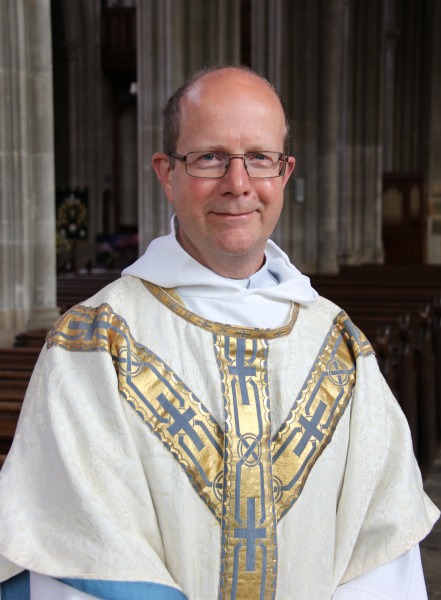 Lent is traditionally the time of preparation for Easter. Just as in Advent we prepare for Christmas and the incarnation of Jesus, in Lent we prepare to recall the stories of that first Easter with all their tragedy and hope. It’s somewhat easier to move towards Easter in an appropriately spiritual manner than it is towards Christmas. Christmas brings with it all the distractions of the holidays, presents and cards, whilst Easter is more low key for most. Likewise, as we approach Christmas we also approach the shortest days, and Winter is still ahead of us. As we move towards Easter the days are lengthening and new life is returning to our hedgerows. Also, I suspect, we recognise the spiritual value of Easter; our Lord is crucified and raised to life; our salvation is won. But Christmas? Obviously it is a necessary precursor to Easter, but what more?
It’s true that many Christians jump straight from the birth of Jesus to the first Easter, glad of the stories in between but not sure what greater meaning to give them. If we do that, we may make the mistake of abridging the Gospel message to something far shorter reaching and less rich and wonderful than it was ever meant to be: Christmas heralds the beginnings of the Kingdom of Heaven, here on earth. The task of the Christian, having received the gift from God that is their salvation, is to live for that Kingdom and see it grow through their love shared, and the service of others. Another word for this is “discipleship”.
In Jesus’ day any man could simply hand over his responsibilities to his wife and go and spend time learning from a Rabbi. Not good news for the wives maybe, although they might be glad to see the back of such a husband for a while. Jesus, however, was different. This Rabbi moved around a lot. He went from the North, often regarded as a spiritual wasteland by the religious elites, to Jerusalem, where the glory, and tension, of the Temple was found. He travelled from Jewish lands to Gentile ones, and along the borders between dissenting factions. He engaged with the wise and faithful, but also with those who put him beyond the pale of the aforementioned wise and faithful. He led his disciples and taught them to be encountering differing perspectives and encouraging them to question and wonder at a bigger perspective on God than they had been offered before. In doing so Jesus established a model for his followers both then and now. That is the key reason I am following several pilgrim routes during my forthcoming sabbatical. The power of pilgrimage is not in the walking, or even in the final destination, but in the encounters on the way. But first, I will repeat that most important pilgrimage of all yet again, and I invite you to join me on it, the pilgrimage into Easter.
Jeremy